Loading Latest Issue...

Explore current stories, cover features, and strategic analysis across global industries.
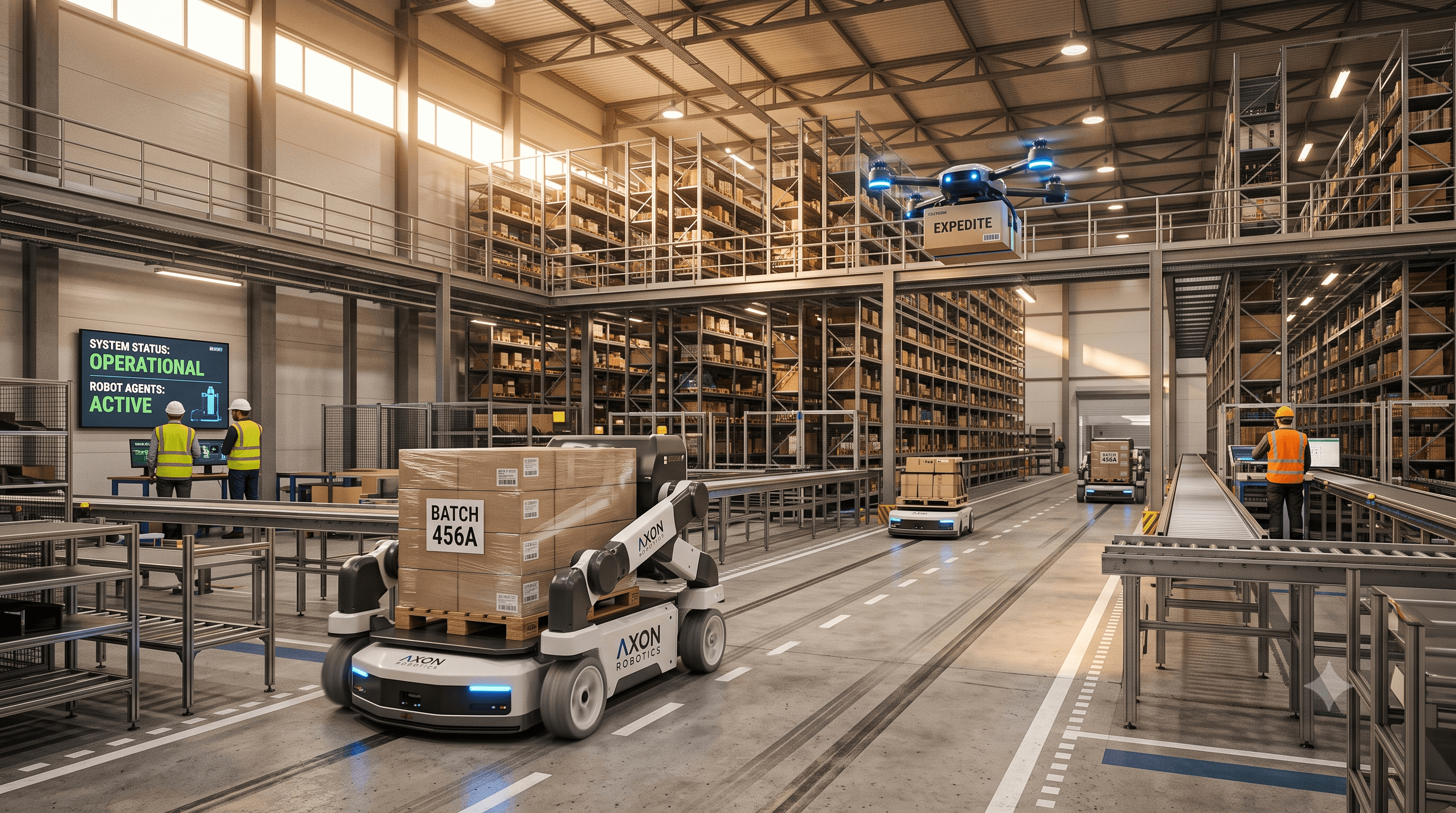
Physical AI: The Next Frontier as Robots, Drones and Warehouses Get Smarter The first decade of the modern AI boom was, in a sense, a purely digital story. Models learned to write, code, and answer questions, but they lived entirely inside screens and servers. That is changing. Through 2026, one of the fastest-growing corners of the AI industry has been what practitioners call "physical AI" — systems that combine machine perception with real-time decision-making to operate in the physical world, from warehouse floors to delivery drones to manufacturing lines. It's a shift that promises to bring the productivity gains already seen in knowledge work into industries that never fit neatly behind a keyboard.

Agentic AI Goes to Work: How Autonomous Agents Are Reshaping Business Operations For the past few years, the conversation around artificial intelligence centered on chatbots — tools you asked a question and that gave you an answer. That era is closing. In 2026, the center of gravity in AI has shifted decisively toward agentic systems: software that doesn't just respond to prompts but plans multi-step tasks, takes actions across different tools and systems, and works with only occasional human check-ins. This shift from "AI that talks" to "AI that does" is arguably the most consequential change in enterprise technology since the arrival of cloud computing, and it is already reshaping how companies staff, budget, and think about productivity.

Generative AI is evolving from passive Q&A chat interfaces to autonomous agentic workflows. Discover how IT leaders are deploying self-correcting AI pipelines safely within enterprise systems.
# AI Is the Future: The Technology Reshaping Business, Work and Human Potential