The Elite Cover Series
Celebrating global visionary leaders, transformation drivers, and executive milestones shaping the enterprise horizon.
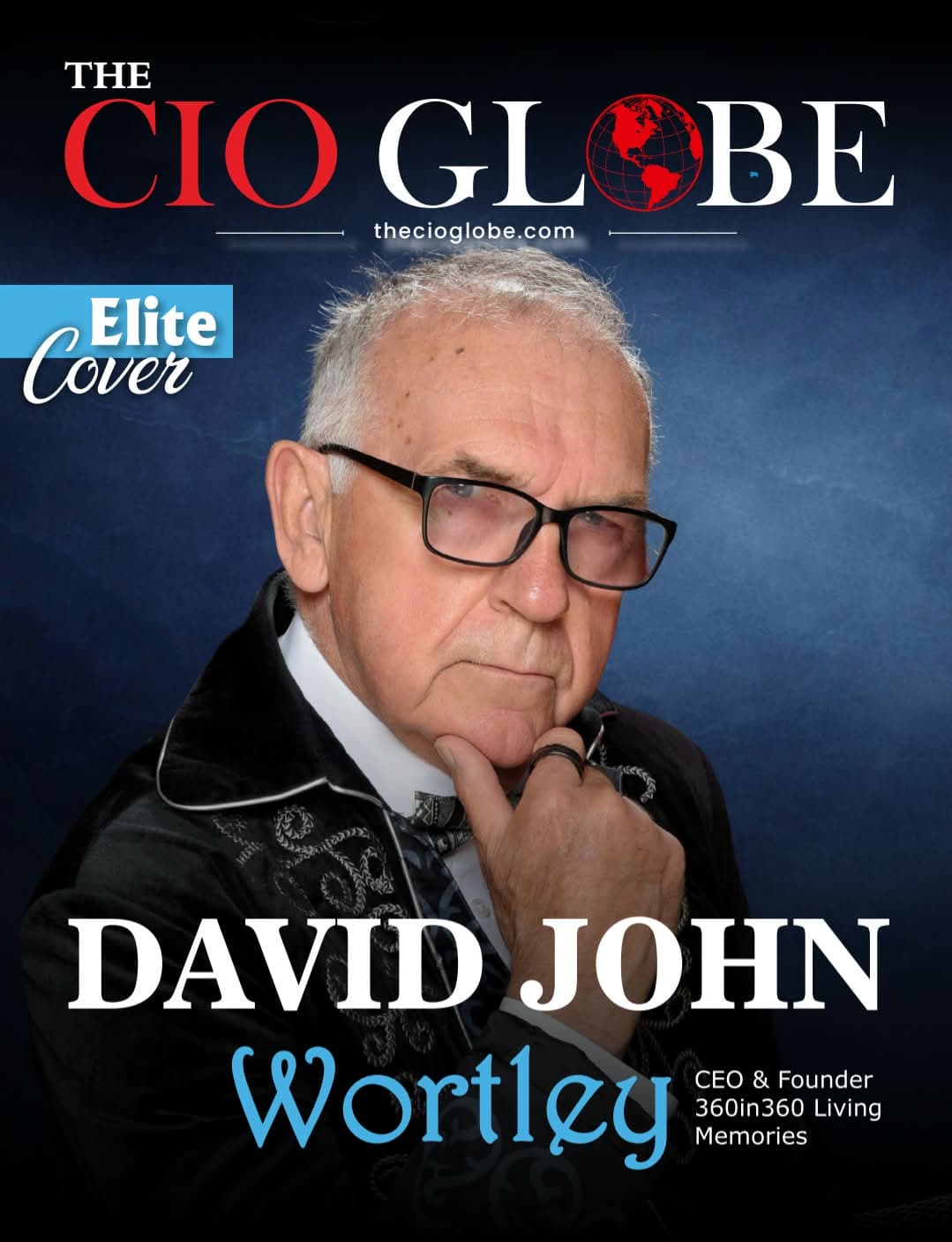
David John Wortley FRSA: Building the Conditions for Human Potential
David John Wortley FRSA: Building the Conditions for Human Potential How a technology pioneer with five decades of experience is connecting digital innovation, immersive experiences, and human wellbeing to shape a more meaningful future. A Career Defined by the Human Side of Technology Technology has the power to transform industries, redefine communication, and change how people experience the world. Yet its greatest value lies not simply in what machines can accomplish, but in what they enable human beings to achieve. This belief has guided David John Wortley FRSA, CEO and Founder of 360in360 Living Memories, throughout a career spanning five decades of digital transformation. From the early days of computing and telecommunications to immersive media, serious games, and digital health, Wortley has consistently explored the relationship between innovation and human potential. His work reflects a conviction that technological progress should serve a larger purpose: helping people learn, grow, preserve meaningful experiences, and live more fulfilling lives. Rather than viewing innovation as an end in itself, he approaches it as an opportunity to improve the human experience. This philosophy continues to shape his professional activities, from leadership coaching and consultancy to the development of immersive living memories. From Telecommunications to Entrepreneurship Wortley’s professional journey began in 1975 at Post Office Telecommunications, following academic achievement in management studies. Working as a Management Tutor, he developed an early understanding of organisational development while recognising the entrepreneurial instincts that would eventually lead him to establish his own businesses. He also anticipated the growing convergence of digital communications and computing, a shift that would fundamentally reshape business and society. Recognising that technical awareness alone would not be sufficient for entrepreneurship, he deliberately sought experience in sales and marketing. That decision led him to IBM as a Marketing Executive, where he spent five successful years selling what is now known as the AS/400 computer to corporate clients, including organisations willing to change their technology providers. His experience strengthened his commercial understanding and gave him valuable insight into how businesses evaluate and adopt technological change. The next chapter began with the founding of Mass Mitec, which he developed into one of the leading presentation services companies in the United Kingdom. His entrepreneurial ambitions subsequently extended into building the National Presentation Network, bringing digital imaging services together through more than 100 outlets across the country. These experiences established a pattern that would define his career: identifying emerging opportunities, connecting technology with practical needs, and building initiatives around the value they could deliver. Leadership Rooted in Human Potential At the heart of Wortley’s leadership philosophy is a simple but enduring principle: helping others realise their potential. For him, professional fulfilment comes from empowering people, supporting their development, and creating opportunities for them to achieve more than they might have imagined. This perspective influences how he approaches collaboration, leadership, and decision-making. Rather than measuring success exclusively through commercial outcomes or technological sophistication, he considers whether an initiative genuinely improves people's ability to learn, create, connect, or live well. His professional qualities—including openness, loyalty, passion, humour, insight, and resilience—have helped him navigate different sectors and build relationships across disciplines. Openness has enabled him to move between industries that might otherwise remain disconnected, while loyalty and commitment have supported long-standing professional collaborations. For Wortley, these qualities are connected by a broader commitment to humanity. Technology may provide the tools, but people determine the purpose and consequences of their use. That distinction remains central to his understanding of responsible leadership. Connecting Innovation with Meaningful Experiences Throughout his career, Wortley has explored technologies at different stages of their development. His work has encompassed digital presentation, web conferencing, serious games, immersive environments, and applications connected to health and wellbeing. His experience organising one of the world's first global web conferences in 2000 and running what he describes as the world's first Hybrid Metaverse Conference in 2007 illustrates his longstanding interest in using digital platforms to bring people together in new ways. He also became Founding Director of the Serious Games Institute, helping develop it into an international centre of excellence. This work reflected his interest in the potential of interactive technologies to support learning and practical engagement. Today, 360in360 Living Memories represents a particularly personal expression of that interest. The initiative focuses on preserving experiences and insights so they can remain accessible to others, including future generations. Its underlying idea is that meaningful memories need not disappear with time; they can be captured and shared in ways that extend their value beyond the present. Alongside this work, Wortley remains active in motivational speaking, coaching, mentoring, consultancy, cruise ship enrichment talks, and initiatives relating to lifestyle medicine and longevity. Across these varied activities, he draws on decades of experience observing how technology influences the ways people communicate, learn, and understand themselves. His distinctive perspective comes from bringing technological knowledge together with creative thinking and a sustained interest in human wellbeing. Resilience Through Professional and Personal Adversity Wortley’s journey has not been without profound setbacks. One of the most difficult periods followed the indirect consequences of the September 11 attacks in 2001, which severely affected his business at a critical stage. He was preparing to begin a major community informatics project when circumstances contributed to the loss of his business, marriage, and home. To avoid falling into debt and bankruptcy, he took night-shift work in a frozen food warehouse. The experience marked a dramatic departure from his entrepreneurial career, but it also became a defining lesson in resilience. Rather than allowing the setback to determine his future, he rebuilt his professional life. His subsequent work in serious games, immersive technology, and international digital initiatives emerged after this particularly difficult chapter. The experience also gave him a wider perspective on hardship, strengthening his appreciation of circumstances faced by people who have fewer opportunities and resources. For Wortley, resilience is not simply the ability to recover professionally; it is the capacity to retain perspective, belief, and a sense of purpose when familiar foundations disappear. A Legacy of Innovation and Public Contribution Wortley’s achievements reflect the breadth of his interests and his willingness to explore emerging possibilities. His career includes receiving two scholarships from Post Office Telecommunications, winning a national IBM competition for demonstrating the System/38, securing a £250,000 government award for his Comknet project, and finishing as runner-up in the BT National Awards for Education Technologies. His contributions also extend into digital medicine through his appointment as Vice President of the International Society of Digital Medicine. In another example of his sustained engagement with digital creativity, he has published more than 23,000 panoramic images on Google Maps, which have collectively received over 190 million views. This achievement demonstrates how digital platforms can preserve and share visual experiences with audiences far beyond their original locations. Taken together, these milestones illustrate a career shaped not by one technology or industry, but by a continuing willingness to explore how innovation can create practical and lasting value. Shaping a Future Where Technology Serves Humanity Looking ahead, Wortley intends to continue developing 360in360 Living Memories while pursuing speaking, coaching, and work connected to lifestyle medicine and longevity. His broader concern, however, extends beyond individual projects to the direction of technological progress itself. He recognises artificial intelligence as a powerful tool that can enrich learning, health, creativity, and the preservation of human knowledge. At the same time, he remains conscious of the risks associated with its use and the consequences of allowing technological capability to advance without sufficient regard for humanity. His ambition is to help ensure that AI serves people rather than undermines their future. Achieving this, in his view, requires conscious human choices about how emerging technologies are developed, applied, and governed. For David John Wortley FRSA, the next chapter is therefore not simply about adopting the latest innovation. It is about asking better questions, preserving what matters, and ensuring that progress remains connected to human purpose. Across five decades of change, one principle has remained constant: technology is most valuable when it expands what people can become. Through his work at 360in360 Living Memories and his continuing engagement with digital innovation, Wortley is committed to keeping that principle at the centre of the future he hopes to help shape.
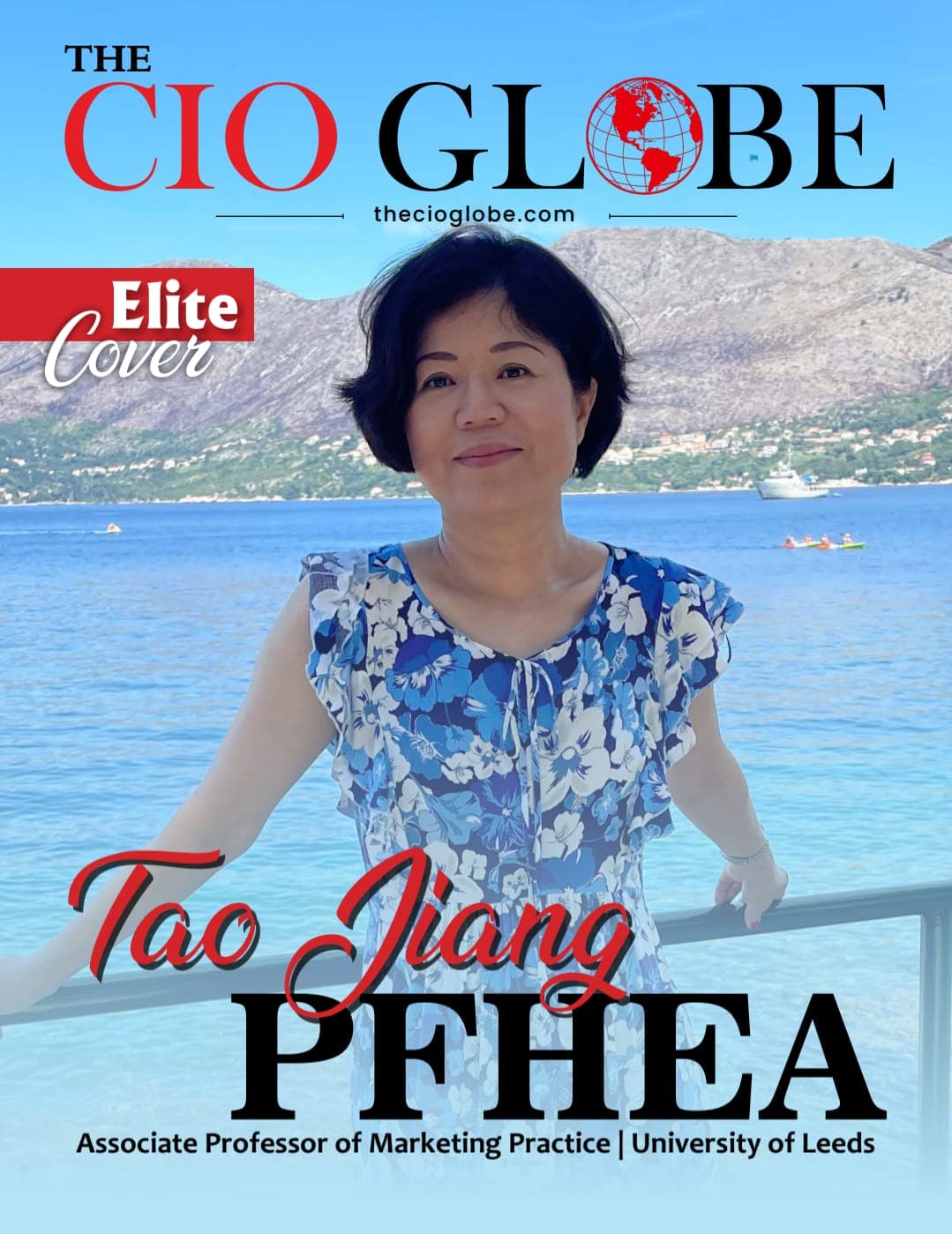
The Power of Belonging in Education: Tao Jiang’s Leadership Journey
The CIO Globe Magazine - Elite Cover Name- Tao Jiang PFHEA Degination- Associate Professor of Marketing Practice Company- University of Leeds The Power of Belonging in Education: Tao Jiang’s Leadership Journey In a world where education is often measured through grades, outcomes, and career progression, Tao Jiang believes there is a deeper question that deserves equal attention: Do people truly feel seen, heard, supported, and empowered to succeed? With more than two decades of experience in UK higher education and over ten years of prior experience in the international industry, Tao Jiang has built a leadership journey around this very question. Her career reflects a thoughtful transition from the corporate world into academia, bringing with her a strong belief that education should connect theory with real-world experiences while creating environments where people can genuinely belong. Today, her work focuses strongly on student-centred education, equality, diversity and inclusion, cultural intelligence, partnership, and leadership. Her approach is rooted in a simple principle: talent exists everywhere, but access, confidence, clarity, and opportunity are not always equally distributed. From Industry Experience to Academic Leadership Before entering higher education, Tao spent more than a decade working within a multinational OEM, overseeing marketing operations in Asia. Her industry experience shaped her understanding of how learning becomes meaningful when it influences decisions, behaviours, and outcomes. When she moved into UK higher education, she carried this practical perspective with her. For Tao, education should not exist separately from the world students are preparing to enter. Teaching becomes more impactful when learners can understand how theory connects with businesses, organisations, communities, and real-world challenges. Her industry background also influenced her leadership philosophy. She believes that successful change cannot simply be imposed through instructions. People are more likely to embrace change when they understand its purpose, trust the process, and feel supported throughout it. This has led Tao towards collaborative leadership, co-creation, industry engagement, live projects, advisory work, and consultancy—approaches that help keep education relevant in an increasingly complex world. Making Inclusion a Leadership Discipline For Tao, equality, diversity and inclusion are not simply themes to be discussed; they are disciplines that must be reflected in everyday decisions and systems. Her own experiences of living, studying, and working across cultures have given her a personal understanding of how language, confidence, cultural expectations, and unwritten rules can affect a person's ability to participate and progress. She recognised an “inclusion gap” particularly through her work around personal tutoring and student transition into higher education. The challenge was not necessarily a lack of ability. Instead, some students lacked access to clarity, networks, culturally safe environments, and the confidence to navigate unfamiliar systems. This understanding encouraged Tao to focus on removing barriers rather than expecting individuals to simply adapt themselves to existing structures. Her perspective has gradually evolved from supporting individuals to helping shape systems, policies, practices, and organisational culture. She believes inclusion cannot depend solely on goodwill; it must be embedded into the way institutions operate. Redefining Student-Centred Learning Tao's understanding of student-centred learning extends beyond giving students choices. It means creating meaningful opportunities for students to have voice, agency, responsibility, and support. Through her work around Students as Partners, she promotes principles including authenticity, inclusivity, reciprocity, empowerment, impact, and fair attribution. For Tao, partnership should be genuine rather than symbolic, with students and staff working together as meaningful contributors. This can involve co-designing initiatives at an early stage, establishing transparent expectations, creating feedback mechanisms, and ensuring student contributions are properly recognised and compensated. Her philosophy is not about assuming that students are always right. Instead, it is about recognising students as individuals and designing educational systems that respond to their humanity with fairness, clarity, and respect. Creating Communities Where People Belong Some of Tao's most meaningful moments come not from formal recognition but from hearing students and colleagues describe what a sense of belonging means to them. For her, these experiences demonstrate that inclusion is not simply created through policies. It is built through everyday interactions, support, trust, and care. Her leadership has also involved navigating sensitive situations, supporting people through challenges, creating respectful communities, and developing opportunities for colleagues—particularly women—to build confidence and leadership capacity. Much of this work happens quietly. It may involve creating community guidelines, organising meaningful events, supporting professional development, or building bridges between staff communities and institutional priorities. Yet these seemingly small actions can contribute to significant cultural change over time. The Quiet Work Behind Lasting Change Tao's leadership demonstrates that sustainable change often depends on work that happens behind the scenes. One example is her involvement in developing Students as Partners Guidance for the Leeds Institute for Teaching Excellence. The process involved extensive consultation, beginning with staff discussions, followed by alignment with colleagues across the institution and committee review. Further consultation with a Lead Student Partner, student researchers, and partners helped ensure that student perspectives were meaningfully incorporated. For Tao, this type of collaborative process is essential. Change becomes sustainable when people have the opportunity to contribute to it and understand how their perspectives influence the final outcome. Excellence Grounded in Empathy Tao does not view academic excellence and inclusion as competing priorities. Instead, she believes they should strengthen one another. Her leadership approach combines high expectations with psychological safety, supported by transparency, communication, feedback, and mutual respect. She recognises that higher education can be demanding for both students and staff. Inclusive leadership therefore involves paying attention not only to what people say, but also to what may remain unsaid—who is quiet, who may feel excluded, and which existing practices unintentionally create barriers. For Tao, empathy does not mean lowering standards. It means creating the conditions in which people have a fair opportunity to meet high standards and contribute at their best. Cultural Intelligence and the Future of Education Having worked across Asia and the UK, Tao has seen how cultural context can influence communication, participation, leadership, authority, and perceptions of opportunity. This has strengthened her belief in Cultural Intelligence, or CQ, as a practical leadership capability. It is not simply about being aware of cultural differences; it is about developing the ability to work effectively across different perspectives and environments. She believes that potential is universal, while confidence and access are not always so. When people feel that they belong, they are more likely to ask questions, take risks, participate, and contribute fully. This belief continues to influence her work across student success, staff networks, cultural intelligence, and responsible management education. Measuring Success Through Lasting Capability For Tao, success is ultimately about what remains after the immediate project or initiative is complete. It can be seen in students who become more confident in navigating their futures, colleagues who feel supported, and systems that make fairness more natural rather than exceptional. She also measures impact through sustainability. If a process can continue without her involvement, if it reduces invisible labour, and if it creates a clearer pathway for the next person, she considers that meaningful progress. Recognition may be valuable, but lasting capability in others is the deeper measure of leadership. Building More Equitable Education Systems Looking ahead, Tao believes that more equitable education requires institutions to design for belonging rather than simply providing access. This includes making hidden expectations more visible, helping people understand academic and cultural norms, and responsibly sharing power through genuine partnerships with students and colleagues. She also advocates for professionalising inclusion by investing in training, resources, accountability, and meaningful measurement. Partnership, for example, must include appropriate recognition and compensation if it is to remain genuinely equitable. A Legacy of Operational Inclusion Tao hopes her legacy will be one where inclusion becomes operational—embedded into curriculum design, assessment, student partnership, professional development, and leadership rather than treated as a separate initiative. She wants students to experience partnership as a normal part of education, becoming co-creators rather than simply recipients of knowledge. She also hopes to help create stronger communities for women and under-represented colleagues where support, opportunity, and belonging are tangible. Her advice to future educators and leaders is straightforward: identify one real barrier, listen deeply, and build relationships and coalitions to address it. Meaningful change, she believes, is rarely about one dramatic action. It is consistent, collaborative, evidence-informed, and grounded in purpose. Turning Belonging into Possibility Tao Jiang's journey reflects a leadership philosophy built around people, purpose, and possibility. From her early experience in international industry to her work in higher education, she has consistently sought to connect opportunity with meaningful support. Her story demonstrates that inclusion becomes powerful when it moves beyond intention and becomes part of everyday practice. Through student partnership, cultural intelligence, collaborative leadership, and a commitment to equitable systems, Tao continues to advocate for learning environments where people can contribute, lead, and succeed without having to spend additional energy proving that they belong. For TheCIOGlobe Magazine, her journey represents an important perspective on the future of education: excellence is not simply about achieving more; it is also about creating the conditions in which more people are able to participate, grow, and make an impact.
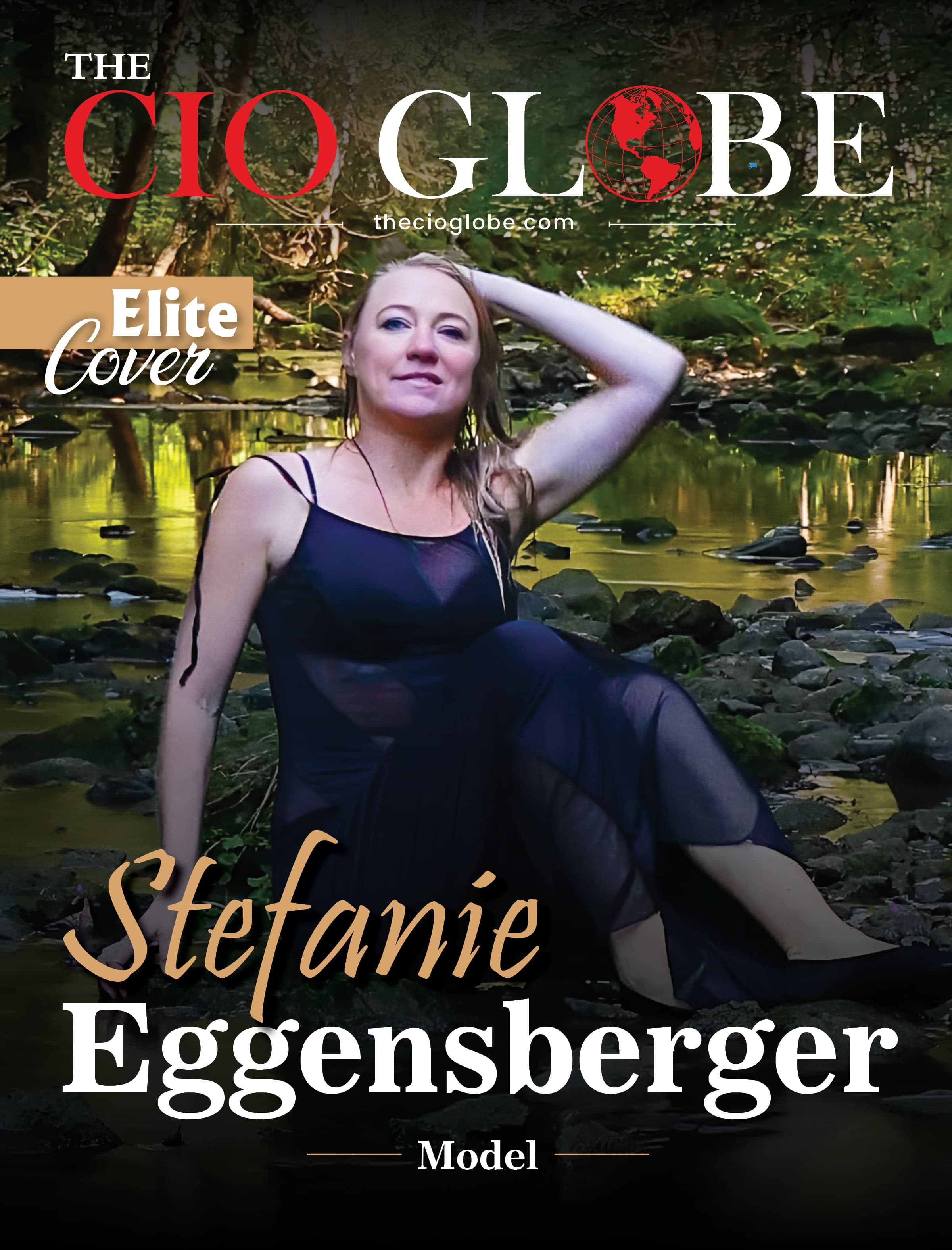
Stefanie Eggensberger: Redefining Beauty Through Courage, Authenticity, and Self-Acceptance
Stefanie Eggensberger: Redefining Beauty Through Courage, Authenticity, and Self-Acceptance When Beauty Becomes a Journey of Self-Discovery For Stefanie Eggensberger, modeling is not simply about photographs, appearance, or standing in front of a camera. It represents something much deeper—a journey of resilience, self-discovery, and learning to embrace the person she sees in the mirror. Her path toward modeling was shaped by experiences that changed the way she viewed herself. After overcoming a serious childhood illness and undergoing several operations, Stefanie found herself facing physical changes that significantly affected her confidence. Looking at herself in the mirror became difficult, and she had to confront a question that would eventually become central to her personal journey: how could she learn to accept herself again? The answer began to emerge through photography. What started with friends taking photographs of her gradually became a transformative creative experience. Behind the camera, she began discovering a different perspective of herself—one that was not defined by imperfections, but by individuality. Photography became more than a collection of images. It became part of her healing process. From Adversity to Confidence Stefanie's journey demonstrates that confidence is not always something a person possesses from the beginning. Sometimes, it is something that has to be rebuilt. Her experiences taught her that life can change unexpectedly, and that adapting to those changes requires patience and resilience. Rather than allowing the physical changes she experienced to define her identity, she gradually began to recognize that they were only one part of her story. Through photography, she started seeing herself differently. The camera allowed Stefanie to appreciate characteristics that she had once struggled to accept. It helped her understand that beauty does not require perfection and that individuality can itself be a powerful form of beauty. This shift in perspective became a defining moment in her journey. Today, she approaches modeling with a confidence rooted not simply in appearance, but in experience, personality, and self-acceptance. Her story reflects the belief that personal transformation often begins when people stop measuring themselves against an ideal and begin appreciating who they truly are. A Different Perspective on Beauty Stefanie's philosophy is grounded in authenticity. In an environment where images are often carefully constructed, she believes that beauty can also be found in imperfections, personal experiences, and the courage to remain genuine. For her, modeling provides an opportunity to express individuality rather than simply present an appearance. That distinction is important. Her journey has not been about pursuing an unattainable version of perfection. Instead, it has been about developing the confidence to stand proudly in front of the camera while accepting the experiences that shaped her. Her perspective offers a broader interpretation of modern beauty—one where resilience and authenticity can be just as meaningful as physical appearance. Photography as a Form of Expression The role of photography in Stefanie's life extends beyond her own self-acceptance. It has also opened the door to creative opportunities and collaborations. One of the most meaningful experiences in her modeling journey was working with renowned nature photographer Michael Kluge. Being selected by Kluge to be photographed was a particularly special moment for Stefanie, who felt honored to be among the relatively small group of people he had chosen to capture through his camera. The experience carried significance beyond the finished photograph. For Stefanie, it represented another chapter in a journey that had begun with uncertainty about her own appearance. Standing in front of a professional photographer with confidence reflected how dramatically her relationship with herself had changed. The camera that once might have represented scrutiny had become a medium through which she could express herself. The People Behind the Journey Stefanie's story also highlights the importance of friendship and support. A close friend has played an important role throughout her journey, supporting her in many ways, frequently photographing her, and remaining present during difficult moments. That encouragement helped create an environment in which Stefanie could explore photography without feeling defined by expectations. Her experience demonstrates that personal growth is often strengthened by the people who believe in us during moments when we may struggle to believe in ourselves. Through friendship and creative expression, photography became a shared experience that helped Stefanie move toward greater confidence. Lessons in Resilience The most significant achievement in Stefanie's story is not a particular photograph or collaboration. It is the personal transformation that made those experiences possible. Learning to accept herself after significant physical and emotional challenges required perseverance. It meant confronting self-doubt and gradually developing a healthier relationship with her own identity. Her journey illustrates an important lesson: resilience does not necessarily mean forgetting difficult experiences. It can mean learning to carry those experiences differently. For Stefanie, the past has become part of what gives her story meaning. Rather than viewing her challenges solely through the lens of what was lost or changed, she has learned to recognize what those experiences taught her about confidence, individuality, and self-worth. Looking Forward with Authenticity As Stefanie continues her journey through modeling and photography, her foundation remains rooted in authenticity and self-acceptance. She believes that everyone has the potential to pursue what they genuinely want, provided they develop the determination to continue moving forward. Her own experience gives that belief particular significance. Her story is ultimately not about achieving perfection. It is about changing perspective. What once made it difficult for her to look at herself became part of the journey that taught her how to appreciate who she is. Photography opened a creative door, friendship provided encouragement, and perseverance helped transform uncertainty into confidence. For TheCIOGlobe Magazine, Stefanie Eggensberger's journey represents a powerful reminder that beauty does not always emerge from perfection. Sometimes, it emerges from the courage to accept change, embrace individuality, and stand confidently as oneself. Her story is a celebration of authenticity—and a testament to the idea that the most meaningful transformation begins when we learn to see ourselves with greater acceptance.

From Music to Masterpieces: The Creative Journey of an Artist Building a Lasting Global Legacy
From Music to Masterpieces: The Creative Journey of an Artist Building a Lasting Global Legacy With nearly three decades dedicated to painting, a distinctive layered cityscape style, and a career shaped by perseverance and creative exploration, this artist has transformed a lifelong passion for the arts into an internationally recognized body of work. From a childhood immersed in music to exhibitions across the world, the journey reflects the power of artistic vision, discipline, and an enduring commitment to creativity. A Creative Journey Beyond Boundaries For some artists, creativity begins with a single defining moment. For this artist, it has been a lifelong pursuit—one that began with music and eventually evolved into a distinctive visual language expressed through painting. Having started playing musical instruments at just five years old, the artist developed an early appreciation for creativity, discipline, and artistic expression. Piano, guitar, and clarinet formed the foundation of those formative years, but a new creative chapter emerged in the artist’s mid-forties, when painting became the next great passion. What began as an exploration of a new medium gradually developed into a professional artistic career. Initially experimenting with still lifes, portraits, and landscapes, the artist created hundreds of paintings while searching for a personal style. That journey of experimentation eventually led to an important realization: developing a recognizable artistic identity would be essential to building a sustainable career. With 250 paintings in hand, the artist approached leading art consultants in New York to explore the possibility of turning a creative passion into a business. Their guidance encouraged the development of a distinctive style that would set the work apart. Years of persistent experimentation followed, ultimately giving rise to the layered cityscape paintings that would become the artist’s signature. An invitation to meet in New York marked another turning point, leading to a connection with Walter Wickiser and the Walter Wickiser Gallery. The relationship culminated in the artist’s first solo exhibition in New York City, establishing the foundation of a professional career. An Artistic Philosophy Rooted in Purpose and Persistence Rather than following a single rigid principle, the artist approaches important decisions by carefully considering the work, the opportunities available, and the people involved. Each decision is evaluated according to whether it supports artistic development, aligns with long-term creative objectives, and creates meaningful value for everyone connected to the opportunity. At the heart of this philosophy is a belief that art should be experienced and shared. While the appreciation of private collectors remains an important part of an artist’s career, the desire to reach a wider audience continues to influence creative and professional choices. For this reason, the artist places considerable importance on finding opportunities that allow the paintings to be presented, appreciated, and experienced by people across different cultures and communities. This outlook is supported by a consistent commitment to the craft. Painting every day provides the discipline to refine techniques, explore new possibilities, and maintain artistic growth. By balancing creative exploration with thoughtful professional decisions, the artist has built a career that brings together personal expression, meaningful relationships, and a broader vision for the reach of art. A Distinctive Approach to Cityscape Painting The defining feature of the artist’s work is a unique technique that brings multiple cityscapes together through successive layers of painting. Rather than presenting a city as a single architectural scene, the artist constructs compositions in which different urban environments overlap, creating a visual experience rich in depth, movement, energy, and texture. The process begins with architectural structures painted using black oil paint and a single brush. Once the initial layer is complete, another layer of color is added, followed by a new cityscape painted over the previous composition. This process may be repeated two, three, or even four times, resulting in a finished work that contains several cities within one canvas. The overlapping structures create a sense of visual complexity, with each layer suggesting a different moment, place, or memory. The technique has become a defining element of the artist’s identity, offering collectors a distinctive interpretation of urban life. Beyond original paintings, the artist has also explored ways to bring this visual language into everyday life. Images from the artwork have been incorporated into clothing and accessories, including scarves, ties, and leggings. This expansion allows audiences to engage with the paintings beyond traditional gallery settings, connecting artistic expression with personal style and daily experiences. Resilience Through Challenges and Turning Points A career spanning nearly 30 years of painting, alongside 25 years of teaching, has brought its share of difficult decisions, setbacks, and moments of uncertainty. Among the most significant challenges has been navigating the unpredictable nature of the creative industry, where dedication and hard work do not always guarantee acceptance or immediate recognition. Rejection and closed doors have been recurring realities, requiring the artist to maintain confidence in the value of the work while continuing to pursue new opportunities. Rather than allowing setbacks to define the journey, the artist has relied on a commitment to returning to the craft, refining the work, and remaining connected to the original purpose behind creating art. The experience of success has also brought lessons in maintaining perspective. While some people celebrate artistic achievements, others may respond differently. Remaining grounded, protecting creative independence, and remembering the reasons for beginning the journey have therefore become important elements of the artist’s approach. Three qualities stand out as central to this experience: hard work, diligence, and determination. Alongside these, genuine passion and the ability to establish meaningful connections have helped sustain the artist through different stages of professional development. The journey demonstrates how creative ambition requires not only talent, but also patience, perseverance, and the willingness to continue evolving. Milestones That Reflect a Lifetime of Dedication The artist’s career has been shaped by a series of significant milestones, from the development of a recognizable painting style to exhibitions and achievements that have expanded the reach of the work. The first solo exhibition in New York City represented a major breakthrough, followed by exhibitions in other international locations. Among the most memorable was a three-month solo exhibition at the Musée de Marrakech in Morocco, an opportunity that brought the artist’s work to an international audience. Numerous exhibitions with the Walter Wickiser Gallery in New York City further contributed to the development of the artist’s professional presence. Commercial milestones have also marked important moments in the journey. The first painting to sell for $100,000 and a later sale at $250,000 were meaningful acknowledgements of years of creative commitment. Another memorable experience involved a collector purchasing 11 paintings in a single visit. To date, the artist has sold 487 original paintings, with individual works reaching prices of up to $350,000. These figures reflect the professional trajectory of the work while representing years of sustained creative effort. Literary achievements have added another dimension to the artist’s contribution. The publication of City of the World Unabridged and Striking a Creative Note: Passion to Process provided opportunities to document and share the artistic journey. Being featured in Marlo Thomas’s book It Ain’t Over…Till It’s Over was another particularly meaningful honor. Expanding the Creative Vision The current phase of the artist’s career brings together several projects that extend beyond traditional painting. Large-scale paintings are being developed for an upcoming museum exhibition, creating an opportunity to present the work in a format that reflects the artist’s evolving creative ambitions. Alongside this, the artist is designing a wine label for a private winery, bringing together two longstanding interests: art and wine. Another major undertaking is a new book documenting the history of Charter Oak, including the family’s connection to wine and art, the history of neighboring families, and the generations of businesses that have developed along Charter Oak Avenue. These projects reflect a broader interest in preserving stories, celebrating creative heritage, and exploring the connections between art, place, and personal history. A Five-Year Vision for Global Recognition Looking ahead, the artist’s ambition is to expand the international reach of the work by assembling a substantial collection of paintings for presentation around the world. The vision includes bringing together perhaps a couple hundred works and making them accessible to audiences across different countries and cultures. This aspiration represents a natural progression from a career that has already included international exhibitions, extensive experimentation, and the sale of hundreds of original paintings. As the artist enters this next phase, the emphasis is increasingly on building a lasting body of work and ensuring that the paintings continue to reach new audiences. For emerging artists, the journey offers a clear message: believe in the work, remain committed to the craft, and treat rejection as part of the process rather than a final judgment. Passion provides the motivation to begin, but discipline, resilience, and the courage to keep creating are what sustain a career. From the first musical lessons in childhood to the development of a signature painting style and an expanding international vision, the artist’s story is ultimately one of continuous reinvention. With new exhibitions, creative collaborations, and a growing focus on legacy, the journey continues to evolve—guided by the conviction that art is not simply something to create, but something meaningful to share with the world.
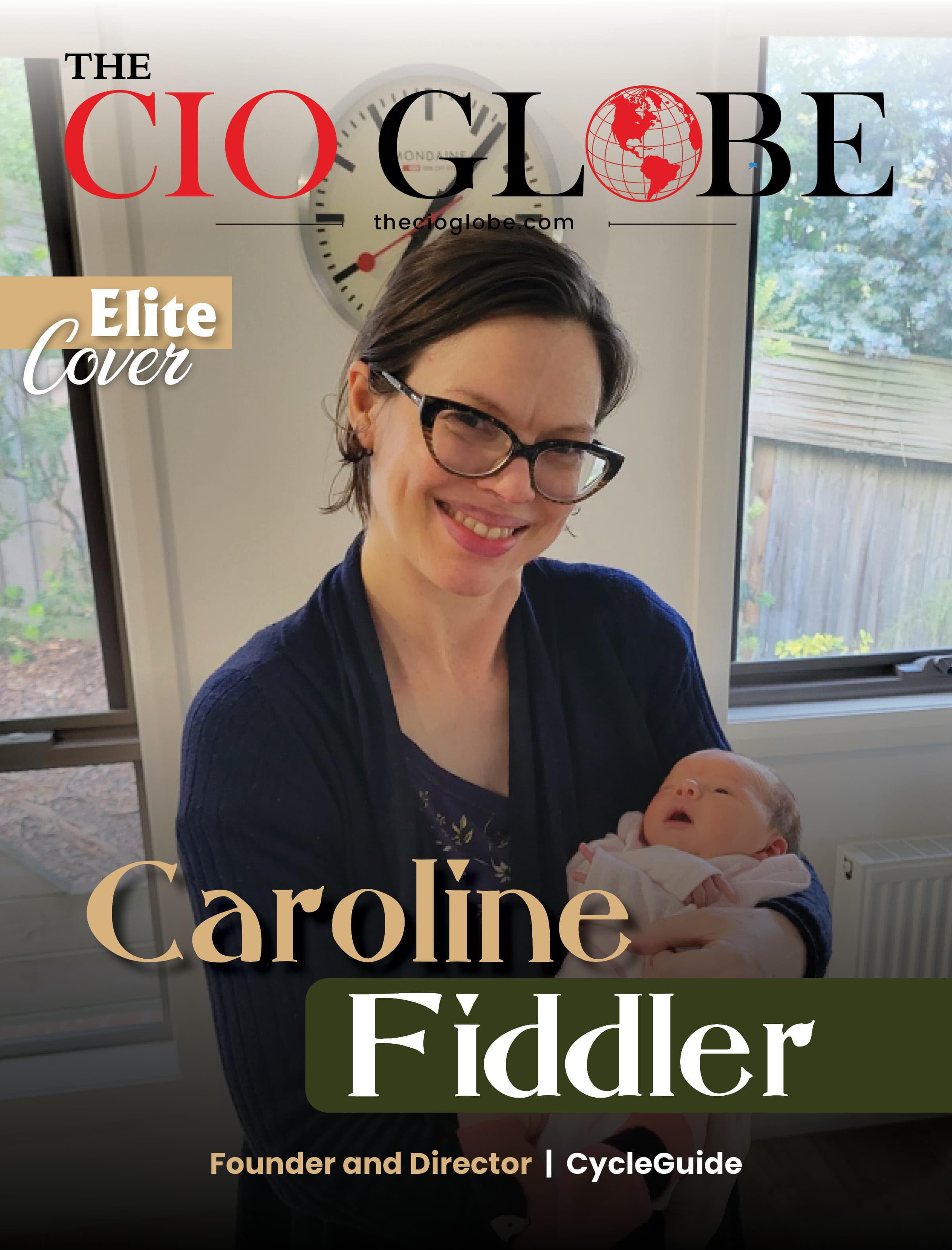
Dr. Caroline Linda Fiddler: Reimagining the IVF Patient Experience Through Simplicity and Empathy
Dr. Caroline Linda Fiddler: Reimagining the IVF Patient Experience Through Simplicity and Empathy Turning a Personal Experience into a Purpose-Driven Innovation Some healthcare innovations begin with years of research. Others begin with a simple question that refuses to go away. For Dr. Caroline Linda Fiddler, Founder and Director of CycleGuide, that question was born from her own experience of navigating healthcare as both a doctor and a patient: “There has to be a better way.” Caroline’s professional journey began with an interest in science that led her to medical school. Her career as a doctor took her through different areas of medicine, healthcare settings, and states across Australia. Along the way, she witnessed significant differences in the way healthcare information was communicated and recorded. Some hospitals relied on paper records, others used different electronic medical record systems, and some relied on a combination of both. Faxes and pagers could still play a role in communicating important information. For a healthcare professional, these systems can become part of everyday working life. For patients, however, fragmented communication can add another layer of complexity to an already challenging experience. That reality became particularly personal when Caroline experienced IVF herself. After changing fertility doctors and moving to a smaller, close-knit clinic, she was surprised to receive treatment instructions that were largely photocopied documents. While the medical expertise behind the treatment was highly specialised, the way the information was presented did not seem to reflect that complexity. The experience sparked an idea: fertility treatment instructions could be delivered in a more practical, accessible, and patient-centred way. That idea became CycleGuide. Caroline began exploring app companies, worked with Appetiser Apps in Richmond, Victoria, collaborated with a designer, and eventually worked with developers to transform her concept into an interactive application. The product was subsequently launched in Australia and New Zealand and, more recently, in the United Kingdom. Leading with Conviction At the centre of Caroline’s entrepreneurial philosophy is a simple principle: have the courage of your convictions. The journey to develop CycleGuide was not without doubt. Family members were understandably concerned about the financial cost and risk. Her accountant was initially bemused and later cautious about the technology venture. Even humorous comments from people around her reflected how unconventional the decision appeared. But Caroline remained focused on the problem she had experienced personally. Her approach does not mean ignoring criticism. Instead, she learned to distinguish between feedback that genuinely improves a product and suggestions that may unintentionally make it more complicated. This became especially important during CycleGuide’s development. Caroline repeatedly returned to a fundamental question: Will this help the patient, make things more difficult, or is it necessary? That mindset shaped both her leadership style and the product itself. She identifies three qualities as particularly important to her journey: conviction, perseverance, and empathy. Conviction gave her the confidence to trust her judgement. Perseverance helped her continue despite setbacks and false leads. Empathy allowed her to consider the experiences of both patients and healthcare staff. Designing Technology Around the Patient CycleGuide was created with a deliberately focused purpose: simplifying IVF treatment instructions while giving patients a greater sense of control. The standalone version allows patients to enter their own treatment instructions, while the integrated version enables clinics to send instructions directly to patients’ phones. The development approach began with a Minimum Viable Product, allowing the team to create a practical solution that could reach patients without waiting for every clinic to commit to integration. The app’s interface reflects Caroline’s commitment to simplicity. Its main screen includes a monthly calendar and a daily task list, allowing patients to see individual tasks while also understanding where each day sits within a wider treatment cycle. Tasks can include blood tests, ultrasounds, medication, procedures, and appointments. Patients can schedule tasks, receive reminders, and mark completed activities. The design is intentionally flexible so that it can accommodate different fertility cycles and procedures. The visual identity is equally intentional. Instead of using conventional baby-focused imagery or pink and blue themes, CycleGuide uses a neutral green identity. The aim is to create a discreet experience so that someone looking at a user’s phone would not immediately know that the app relates to IVF. For Caroline, this is part of understanding the emotional reality of fertility treatment. Simplifying the Most Complex Details Medication is one of the more complicated elements of IVF, particularly because instructions can change as a cycle progresses. Rather than creating an extensive medication database that could become difficult to maintain across countries and healthcare systems, CycleGuide allows patients to enter medication names themselves. They can use brand names, generic names, nicknames, or descriptive terms. This flexibility reflects Caroline’s own treatment experience. Medication schedules can change depending on blood tests and ultrasounds, meaning that fixed end dates are not always appropriate. The app also includes a pre-cycle checklist inspired by Caroline’s experiences across multiple treatment cycles. Preparing for treatment can involve practical challenges, including obtaining medications and understanding when a cycle officially begins. The philosophy behind these features is consistent: technology should reduce cognitive and administrative pressure rather than introduce another layer of complexity. Staying True to the Original Idea Maintaining simplicity became one of Caroline’s greatest challenges. During development, she received suggestions to add more features and create more complicated pathways. One particularly influential piece of advice came from Jarrod MacFarlane, a project manager at Appetiser Apps, who encouraged her to focus on making the basics work exceptionally well. That principle helped Caroline resist the temptation to over-engineer the product. She considered creating separate pathways for egg collections, embryo transfers, and intrauterine insemination. However, she recognised that these treatments share many common tasks despite differences in medication and monitoring. Instead of forcing patients into rigid pathways, CycleGuide was designed with flexibility in mind. The same philosophy influenced medication selection. A large predefined list of fertility medications might seem convenient, but Caroline concluded that it could actually make the product more difficult to use. A free-text system provided a simpler alternative. Overcoming the Challenge of Changing Established Systems Developing the technology was only one part of the challenge. Another was convincing fertility clinics that the problem itself required a new solution. At a fertility conference in Melbourne in 2024, Caroline showed her paper treatment instructions to a fertility doctor. His response—that he had never seen treatment instructions before—highlighted a significant difference between the patient’s and healthcare professional’s perspectives. Caroline also experienced the uncertainty of entrepreneurship when clinics that initially showed enthusiasm later withdrew or stopped responding. One clinic even progressed toward integration before ultimately choosing another portal. These experiences taught her that creating a solution and convincing an industry to adopt it are two different challenges. Milestones That Validated the Vision Several moments have provided meaningful validation along the way. One came when a fertility nurse reviewed CycleGuide and told Caroline that it was exactly how she would have developed an app herself. Another significant milestone was integrating CycleGuide with a fertility clinic in Sydney. The integration demonstrated that treatment instructions could be transferred from Salesforce directly into the app without requiring manual re-entry. Although the clinic eventually chose another portal, the experience demonstrated the technical potential of the concept. In 2026, CycleGuide was shortlisted for the Best Treatment Support and Coordination category at the Fertility Care Awards held during the European Society of Human Reproduction and Embryology conference in London. Although Caroline did not win, she regarded being shortlisted alongside IVF clinics and other founders as an important recognition of the problem and solution she had developed. CycleGuide has also recently launched in the United Kingdom, following its availability in Australia and New Zealand. Caroline reports positive feedback and support from fertility-related companies in the UK as she works toward increasing patient downloads and developing clinic partnerships. Building a Global Future Looking ahead, Caroline envisions CycleGuide becoming available globally through both standalone and integrated versions. She also sees opportunities for white-labelled versions carrying individual clinic branding, allowing the technology to become a more seamless part of the patient experience. Another objective is broader clinic integration, enabling patients to receive written instructions through the app around the same time that nurses provide verbal guidance. Beyond fertility care, Caroline sees potential for the technology to support oncology patients. Her previous training in radiation oncology exposed her to the complexity of cancer treatment, including radiotherapy, chemotherapy, immunotherapy, appointments, procedures, and changing medication schedules. The potential connection lies in helping patients manage complex treatment responsibilities during periods that may already be physically and emotionally demanding. A Better Way Forward Dr. Caroline Linda Fiddler’s journey demonstrates how meaningful innovation can emerge when professional expertise meets lived experience. CycleGuide began with a personal frustration but developed into a focused healthcare technology solution built around simplicity, flexibility, and empathy. Its journey has included product development, clinical integration, international recognition, and expansion into the United Kingdom. Yet the central philosophy remains unchanged. Caroline’s advice to future entrepreneurs is straightforward: have a go. She acknowledges that knowing how difficult the journey would be might have prevented her from starting. But by taking the first step, she discovered that the problem she identified was real and that her solution could offer a practical response. Her story is ultimately about challenging accepted ways of doing things and having the conviction to explore alternatives. From the perspective of a doctor, a patient, and now a healthcare entrepreneur, Caroline continues to pursue the same idea that started CycleGuide: There must be a better way.

Dr. Tamanna Khosla: Redefining Intellectual Leadership Through Philosophy, Law, and a Vision for a More Egalitarian World
Dr. Tamanna Khosla: Redefining Intellectual Leadership Through Philosophy, Law, and a Vision for a More Egalitarian World CEO, TZONE | Public Intellectual | Philosopher | Legal Scholar | Feminist A Journey Shaped by Curiosity and Conviction For Dr. Tamanna Khosla, leadership is not simply about holding a position or building an organization. It is about questioning established ideas, confronting oppression, and imagining solutions to challenges that extend beyond conventional boundaries. As the CEO of TZONE, she is working toward a vision that brings together research, philosophy, law, and a commitment to freedom and equality. Her intellectual journey began remarkably early. As a young child, she was fascinated by the universe, using a handmade telescope to explore the skies and imagining the mysteries of distant galaxies. She was equally drawn to the possibility of solving some of the world's most difficult and seemingly incurable diseases. This early curiosity reflected a desire to understand complex problems and pursue answers beyond familiar limits. Over time, her interests evolved from science toward the humanities, particularly political science, feminism, and international relations. What remained constant was her determination to question the world around her and explore ways to make it better. From Academic Exploration to Intellectual Independence Her formal academic journey took shape at Lady Shri Ram College, where she graduated in Political Science. The experience deepened her interest in feminism and international relations, encouraging her to examine the structures that influence societies and relationships between nations. She continued her studies at Jawaharlal Nehru University, where her master's education expanded her engagement with politics, oppression, and feminist thought. At the M.Phil. and doctoral levels, her interests further developed into law and philosophy, disciplines that offered additional ways to investigate questions of justice, power, and human freedom. Following her doctorate, she began teaching at the University of Delhi. However, her academic career was disrupted by circumstances she describes as hostility and exclusion within academia. Despite the setbacks, she continued pursuing intellectual work independently, eventually writing ten books and earning a law degree. These experiences helped shape her identity as a public intellectual, philosopher, legal scholar, and feminist. Rather than allowing professional obstacles to define the limits of her ambitions, she redirected her efforts toward writing, research, and independent scholarship. A Philosophy Rooted in Faith and Learning At the centre of Dr. Khosla's approach to life and leadership is her faith in the Almighty and spiritualism. She regards spirituality as a continuing source of strength and guidance, particularly when confronting difficult circumstances or making decisions amid uncertainty. Her philosophy also places considerable importance on goodness, observation, and continuous learning. She believes that understanding people requires attentiveness to their behaviour, perspectives, and experiences. Her ability to learn from individuals across countries and generations, as well as from the natural world, informs the way she approaches complex questions. For her, leadership is closely connected to intellectual curiosity. Rather than relying exclusively on established answers, she values the ability to recognize emerging problems and consider possible solutions from the outset. This emphasis on observation and adaptability is central to the research culture she hopes to develop at TZONE. Building a Research Vision Beyond Conventional Boundaries Dr. Khosla's current ambition is to establish a research organization that brings together highly capable thinkers from around the world. Her proposed model focuses on recruiting individuals she describes as nerds and geniuses, creating an environment where intellectual curiosity and original thinking can flourish. The organization is envisioned as a platform for studying contemporary global challenges alongside questions relating to extraterrestrial problems. Through this work, she hopes to contribute to the development of new philosophical and legal frameworks suited to a changing world. A central element of this vision is the examination of oppression across continents and social structures, including issues involving race, class, and gender. Her academic background in political science, feminism, law, and philosophy provides the foundation for this interdisciplinary ambition. Her approach reflects a belief that the challenges facing humanity cannot always be addressed through a single discipline. Bringing together different forms of expertise and encouraging independent thinking are therefore essential elements of the research environment she seeks to create. Resilience in the Face of Adversity The path to this vision has been marked by significant personal and professional challenges. Dr. Khosla describes decades of oppression within her family, Indian society, and academia. She recalls having to confront these difficulties largely on her own, without the support she had hoped to receive. Her departure from university teaching and subsequent difficulties finding another academic position became defining moments in her professional life. Yet these experiences did not end her intellectual pursuits. Instead, she devoted herself to writing, further study, and the development of an independent professional identity. She attributes her perseverance primarily to her faith in God. That spiritual conviction, alongside her commitment to learning and scholarship, has remained a guiding influence throughout her journey. Her experience highlights a perspective on resilience that extends beyond simply overcoming setbacks. It involves finding alternative ways to pursue one's intellectual and professional purpose when traditional pathways become inaccessible. A Commitment to Goodness, Freedom, and Equality For Dr. Khosla, the purpose of research extends beyond academic recognition. She envisions intellectual work as a means of addressing fundamental questions about how people live, how societies distribute power, and how legal and philosophical systems can better support human freedom. Her advice to aspiring professionals reflects this belief. She encourages individuals not to feel envious of those who are more knowledgeable or capable, but to learn from them while developing their own original approaches. Respect for intellectual independence is an important part of her outlook, as is the recognition that innovation requires room for people to think differently. She also believes that money should not become the primary motivation when pursuing work intended to advance freedom and egalitarianism. At the same time, her future plans recognize that adequate funding is necessary to attract and support talented researchers. The Road Ahead: Creating Space for New Ideas Over the next five years, Dr. Khosla hopes to secure the funding needed to bring her research vision closer to reality. Her goal is to recruit the right people from across the world and ensure that financial limitations do not prevent talented individuals from contributing to ambitious intellectual projects. She wants to create an organization that respects researchers' abilities, supports their intellectual needs, and provides an environment where original ideas can develop. Her emphasis on attracting exceptional thinkers is paired with a broader ambition to explore new ways of understanding the contemporary world and its future challenges. For Dr. Tamanna Khosla, the journey from childhood curiosity to academic scholarship and organizational leadership has been shaped by a continuing desire to question, understand, and create. Through TZONE, she aims to translate that desire into a research-driven initiative grounded in philosophy, law, freedom, and equality. Her vision is ultimately one of intellectual possibility: a world in which curiosity is encouraged, independent thinkers are respected, and research is directed toward addressing some of humanity's most complex challenges.
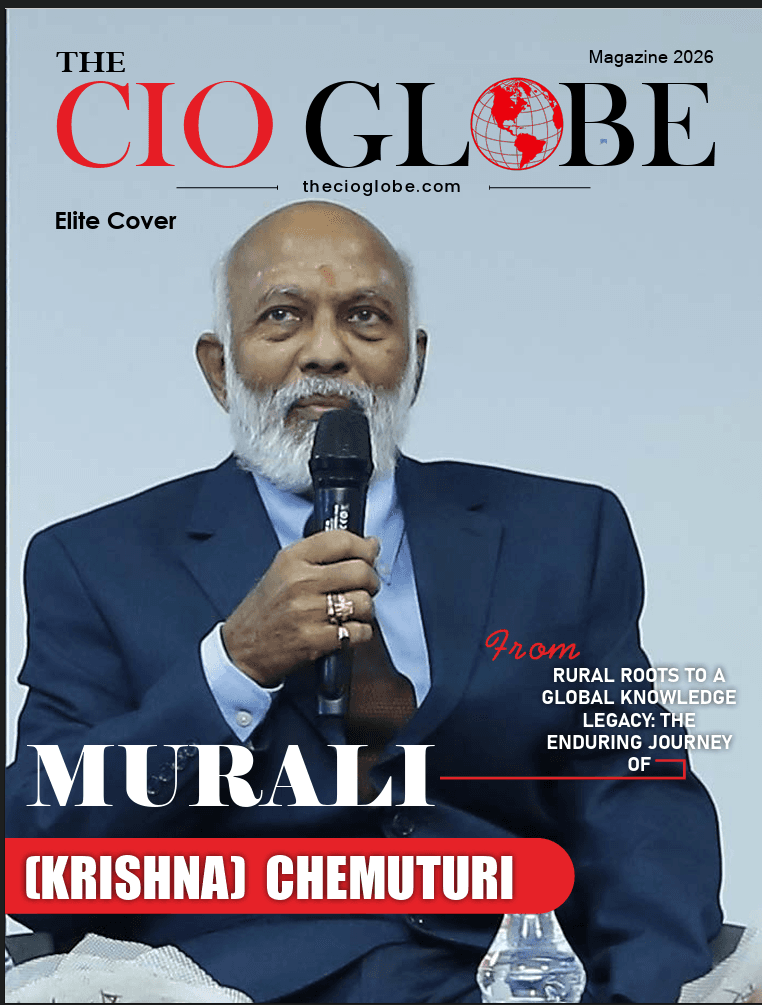
From Rural Roots to a Global Knowledge Legacy: The Enduring Journey of Murali (Krishna) Chemuturi
From Rural Roots to a Global Knowledge Legacy: The Enduring Journey of Murali (Krishna) Chemuturi A journey defined by integrity, perseverance, technological transformation and a lifelong commitment to sharing knowledge Some professional journeys are measured by titles, wealth or corporate milestones. Others are defined by the distance travelled—not merely geographically, but intellectually and personally. The story of Murali (Krishna) Chemuturi, Consultant at Chemuturi Consultants, belongs firmly to the latter. Born in the small rural village of Chityala in Andhra Pradesh's West Godavari District, Chemuturi began life in circumstances far removed from the opportunities that would later define his career. At a time when literacy in his village was below five percent, educational opportunities were limited and financial resources were scarce. Yet, through an unwavering commitment to hard work, honesty and continuous learning, he built a career spanning some of India's most significant technological and corporate environments. From spending 19 formative years at Electronics Corporation of India Limited (ECIL) to contributing to technology-driven transformation, progressing through Tata Consultancy Services and other organizations, and eventually becoming Vice President of Software Development at Vistaar Technologies, his journey reflects the evolution of a professional who consistently chose learning over limitation. Since establishing his independent consulting practice in 2001, he has extended his impact through technical papers and books that, according to information available to him, have reached readers and postgraduate students across countries and universities. Today, at 76, Chemuturi reflects on his career not simply as a collection of accomplishments, but as the outcome of principles he has followed throughout his life. His story offers a powerful reminder that enduring success can be built through sincerity, knowledge, courage and the determination to keep moving forward—even without privilege or influential support. The Journey from a Small Village to India's Technology Landscape Chemuturi's early life was shaped by modest circumstances. He was born to lower-middle-class parents with limited formal education, and his father was already 47 when he was born. Money was scarce, and educational choices were shaped as much by circumstance as by ambition. A single-teacher, single-room elementary school had been established in his village in 1956, and Chemuturi was part of its first batch of students. For his high school education, he travelled to a neighbouring village. Financial limitations ultimately meant that his formal education initially concluded with a diploma in electrical engineering from SMVM Polytechnic in Tanuku. But the end of formal education did not mean the end of learning. At the age of 18, Chemuturi joined the Hyderabad-based Electronics Corporation of India Limited as a Technical Assistant. The opportunity became one of the defining milestones of his life. For the next 19 years, he worked alongside highly skilled professionals in an organization engaged in the development and manufacture of advanced control systems, including those associated with nuclear power reactors. For a young man who had come from a rural environment with limited educational exposure, ECIL opened an entirely new world. The experience also intensified his determination to grow. While working, he attended evening classes to improve his professional prospects, eventually earning a degree in Industrial Engineering, an MBA and a Postgraduate Diploma in Computers. This commitment to education while managing professional responsibilities became a defining feature of his journey: rather than waiting for ideal conditions, he continued to develop himself with the resources and opportunities available. Over time, his role evolved beyond conventional technical responsibilities. He was instrumental in implementing a Computer Aided Design (CAD) system to improve productivity in the critical design and preparation of engineering drawings. Building on that success, he also played a significant role in the implementation of a network of personal computers that helped shift aspects of material management from manual processes to computer-based operations. These initiatives represented more than technology adoption. They demonstrated the potential of well-executed systems to transform established working practices. For Chemuturi, they also became important professional turning points, earning him recognition and demonstrating the value of combining technical expertise with practical implementation. Learning from Every Stage of the Journey After nearly two decades at ECIL, Chemuturi moved to Tata Consultancy Services, an experience that broadened his professional perspective considerably. While his years at ECIL had helped him build technical depth and confidence, his time in the corporate environment of TCS brought new managerial responsibilities and exposure to the wider business world. He was entrusted with responsibility for multiple areas, including profit-centre responsibilities, and the experience helped take him beyond his earlier professional cocoon. It brought him into roles requiring broader decision-making, management and public visibility. His subsequent experiences with other organizations further diversified his understanding of business and technology. Eventually, he concluded his corporate career as Vice President of Software Development at the Mumbai-based Vistaar Technologies. By 2001, however, he was ready to take a different path. He stepped away from the corporate world and began his own consulting practice through Chemuturi Consultants. The transition represented another important chapter in a career that had already crossed technical, managerial and organizational boundaries. Consulting allowed him to apply decades of accumulated experience while continuing his engagement with the areas of technology and professional development that had shaped his life. Principles That Became a Personal Compass If Chemuturi's professional journey has been shaped by one consistent force, it is his commitment to a set of deeply held principles. He says that honesty became one of his earliest foundations. From his school years, he realized that he was simply not comfortable with telling lies. Over time, this instinct developed into a conscious commitment to truthfulness and integrity. Another important principle was straightforward hard work. He never found himself drawn to shortcuts and came to believe that shortcuts often create additional complications and eventually require people to redo what could have been completed properly the first time. His years at ECIL also exposed him to rigorous quality assurance practices, which he embraced wholeheartedly. A phrase he encountered in an article in Reader's Digest during the 1970s—“Do it well or not at all”—became another guiding principle. Later, during his professional journey at TCS, he encountered a philosophy associated with JRD Tata: that regardless of a client's ability to pay, the quality of delivery should reflect the organization's capability and standards. Chemuturi carried that philosophy into both his corporate roles and his consulting work, striving to deliver more value than what was expected or compensated. Together, these beliefs created a personal framework built around honesty, quality, diligence and value creation. His background also gave rise to another deeply personal conviction. Coming from a family without influential connections or a “godfather” to provide protection or advancement, he developed a strong reliance on faith. Throughout challenges and successes, he has remained a theist, viewing faith in God as an important source of strength and guidance. These principles were not developed as corporate slogans. They were shaped through experience—and sustained across decades of professional life. Technology, Transformation and the Power of Knowledge Chemuturi's career unfolded during a period when computerization was beginning to reshape the way organizations operated. His involvement in introducing CAD and helping implement computer-based material management processes at ECIL placed him close to important shifts in organizational technology. The value of these initiatives, from his perspective, lay not merely in deploying technology but in helping organizations successfully navigate change. Moving from manual operations to computer-based processes requires more than installing systems. It requires confidence in the new approach, disciplined execution and the willingness to work through unfamiliar challenges. His later professional experiences further expanded his understanding of technology, software development and business management. Yet one of the most significant extensions of his impact came outside the traditional corporate environment. In 2007, Chemuturi began authoring books. What began as another avenue for sharing knowledge developed into an important part of his professional legacy. His technical writings and papers found an audience among professionals and students, while some of the papers made available for free download on his website were downloaded more than one hundred thousand times, where statistics were available. His technical books, he notes, are used as prescribed postgraduate reading in more than 65 universities across over 20 countries, based on information available on the internet. For Chemuturi, writing has represented more than professional recognition. He views his papers and books as a contribution to society, to his family, to India and to the wider world. The journey from a village with limited literacy and educational infrastructure to creating knowledge resources used internationally is perhaps one of the most remarkable dimensions of his story. Overcoming Obstacles Without Losing Faith Chemuturi's journey was not free from difficulty. Financial limitations were among his earliest and most persistent challenges. Like many children from modest backgrounds, he had to navigate the realities of limited resources while competing with those who had grown up with greater access and advantages. In the early stages of his career, competing with city-bred professionals presented another challenge. His response was not to retreat, but to work harder, take initiative and volunteer for demanding assignments that others often avoided. As his career progressed and he moved into managerial positions, the nature of the challenges changed. Professional success sometimes brought jealousy, backbiting and personal difficulties. There were occasions when he suffered silently, but he chose to continue with optimism and faith rather than allowing adversity to define his direction. His belief in truth and integrity was also tested in serious circumstances. He says that false accusations were made against him and a false criminal case was filed. Yet he believes that his consistent adherence to truthfulness and integrity ultimately helped him remain safe and maintain his standing in society. His lesson from these experiences is clear: truth does not necessarily prevent difficulties, but it can provide the strength and foundation needed to emerge from them. A Legacy of Perseverance and Lifelong Learning Looking back, Chemuturi considers getting his first position at ECIL to be one of the greatest milestones of his life. It gave him access to an environment of advanced technology and exceptional professionals and opened opportunities that had been unimaginable during his early years in rural Andhra Pradesh. The experience inspired him to keep learning and helped shape him both as a professional and as an individual. His time at TCS expanded his managerial perspective, while subsequent corporate roles broadened his experience further. Consulting then offered the freedom to apply his accumulated knowledge independently. Along the way, certain personal qualities also played an important role. Chemuturi attributes his strong sense of hard work and responsibility partly to his father, who continued working his land until the age of 70. From his mother, he believes he inherited sensitivity and a sharp intellect. He also developed an ability to read quickly and silently, which helped him absorb significant volumes of information. A keen habit of observation enabled him to learn from people and situations beyond his immediate responsibilities, while a strong memory helped him retain knowledge over long periods. These qualities proved especially valuable in his work as an author and consultant. They demonstrate that expertise is rarely the result of a single qualification or opportunity. It is often built through decades of observing, learning, remembering and continuously connecting knowledge with experience. Looking Ahead with Perspective At 76, Chemuturi approaches the future with the wisdom of someone who has already experienced several professional lifetimes. He openly describes himself as being “over the hill” and focuses less on building ambitious long-term commitments than on completing meaningful short-term work. Recently, he completed what may be his final book: a compilation of eight Geetha texts, including the Bhagavad Geetha, translated into English. The work reflects another dimension of his lifelong curiosity—one that extends beyond technology and management into literature and spiritual thought. While he may not undertake another major long-term writing project, he remains open to offering his consultancy services when approached. Chemuturi Consultants remains a one-man operation, and he acknowledges that the company's future beyond him is uncertain. Yet his perspective on the future is marked not by regret, but by realism and faith. Having witnessed unexpected turns and what he describes as miracles throughout his life, he does not rule out the possibility of new developments. A Message for the Next Generation For those aspiring to achieve a strong and prominent position in their professional lives, Chemuturi's advice is rooted in the experiences of his own journey. He believes people should not feel discouraged by the absence of influential family support or professional “godfathers.” Sincere and sustained work may not always be recognized immediately, but over time, honesty and diligence can establish a person's reputation. He emphasizes that lasting success requires patience. The journey from poverty or limited circumstances to a stable and meaningful professional life can take time. Wealth may not always follow, but hard work, integrity and perseverance can create progress and dignity. His message also carries a deep spiritual dimension. Drawing inspiration from the Ramayana, he highlights the importance of enthusiasm and sincerity in pursuing one's goals. For Chemuturi, effort should be accompanied by faith, integrity and the courage to continue even when circumstances appear difficult. His own life stands as an example of that philosophy. From a small village with limited educational opportunities to India's technology landscape, from corporate transformation to independent consulting, and from technical practice to authorship with an international academic reach, Murali (Krishna) Chemuturi has built a journey defined not by shortcuts, but by substance. His legacy is ultimately a reminder that one's starting point does not have to determine one's destination. With knowledge, perseverance, truth and the willingness to keep learning, even the most challenging beginnings can lead to a life of meaningful contribution. And for Chemuturi, that contribution continues—not only through consulting or the books he has authored, but through the enduring ideas at the heart of his story: work sincerely, uphold the truth, pursue excellence and never allow the absence of privilege to become an excuse for abandoning one's aspirations. Editor’s Thoughts At TheCIOGlobe Magazine, we have the privilege of discovering and sharing the stories of leaders whose journeys offer lessons far beyond professional success. Murali (Krishna) Chemuturi’s story is one such inspiring example—a journey that reminds us that true leadership is not always defined by where one begins, but by the values one chooses to uphold throughout the journey. From a small village in rural Andhra Pradesh to contributing to technological transformation, corporate leadership, consulting and knowledge-sharing through internationally recognized technical publications, his journey reflects the enduring power of perseverance and continuous learning. What makes his story particularly meaningful is its authenticity. He does not present success as a smooth or effortless path; instead, his journey acknowledges financial limitations, intense competition, professional challenges and personal adversity. Yet, through every stage, he remained committed to the principles that shaped him—hard work, honesty, quality, integrity and faith. At TheCIOGlobe, we believe that influential leaders leave behind more than professional achievements; they create an impact through the knowledge, values and inspiration they pass on to others. Chemuturi’s contribution through his consulting work, technical papers and books reflects this broader understanding of leadership. His story demonstrates that the pursuit of knowledge can create a legacy that extends far beyond an individual career. As he reflects on more than five decades of professional experience, his journey offers an especially powerful message to aspiring professionals and future leaders: your circumstances may shape your starting point, but they do not have to define your destination. We are proud to feature Murali (Krishna) Chemuturi, Consultant at Chemuturi Consultants, and celebrate a journey built on perseverance, technological curiosity, lifelong learning and an unwavering commitment to doing things the right way. — Editorial Team, TheCIOGlobe Magazine